
Founders optimize every system they touch except the one running the company: their own body — and a short list of Ayurvedic herbs, backed by real usage data and centuries of clinical observation, can fix that faster than another supplement stack.
Ashwagandha: The Stress-Load Balancer
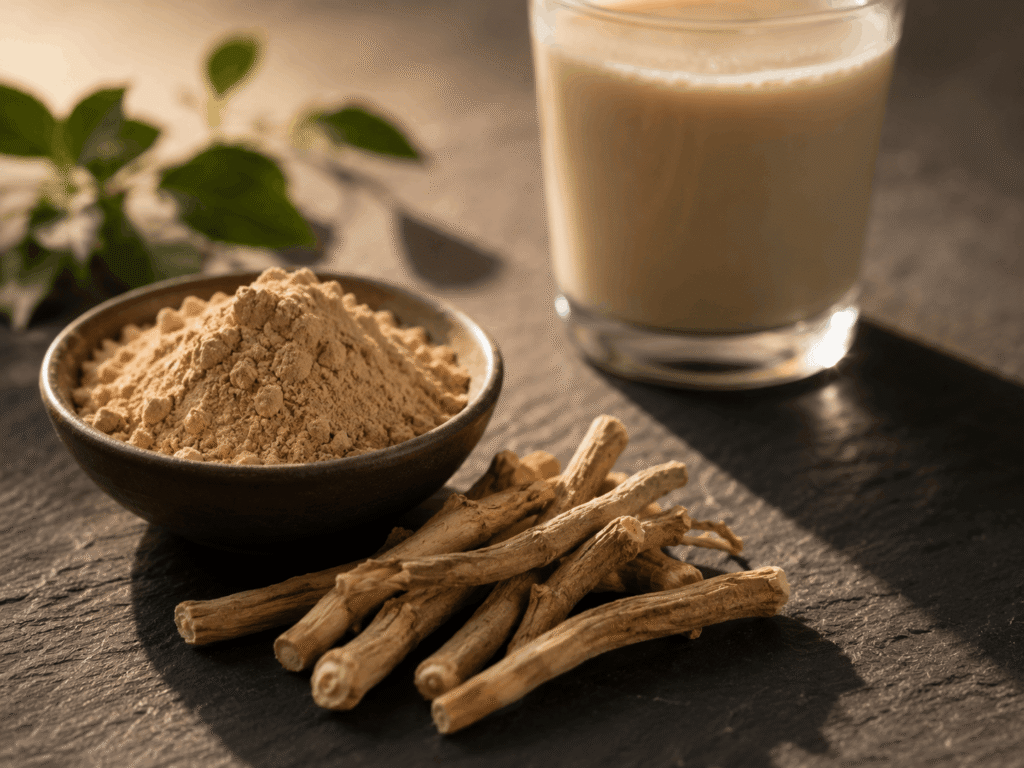
Cortisol spikes wreck focus during fundraising sprints, and ashwagandha is one of the few Ayurvedic herbs with modern trial data behind it. Multiple randomized studies show measurable reductions in serum cortisol and self-reported stress scores after 8 weeks of consistent use. Founders running back-to-back investor calls report steadier sleep and fewer afternoon crashes within a similar window. The ROI case is simple: better sleep compounds into better decisions, and decision quality is the scarcest resource at Series A. Among the top Ayurvedic herbs and their benefits, ashwagandha earns its place because the mechanism — HPA-axis regulation — maps directly onto founder burnout, not vague wellness marketing.
Dosage protocols vary by extract concentration, so match the product to the study you’re trying to replicate rather than guessing. Root extract standardized to withanolide content is the version most trials use, and that specificity matters more than brand name. Skip it if you’re on thyroid medication or immunosuppressants without checking with a physician first — this is a bioactive compound, not a placebo.
Brahmi: The Cognitive Compounder
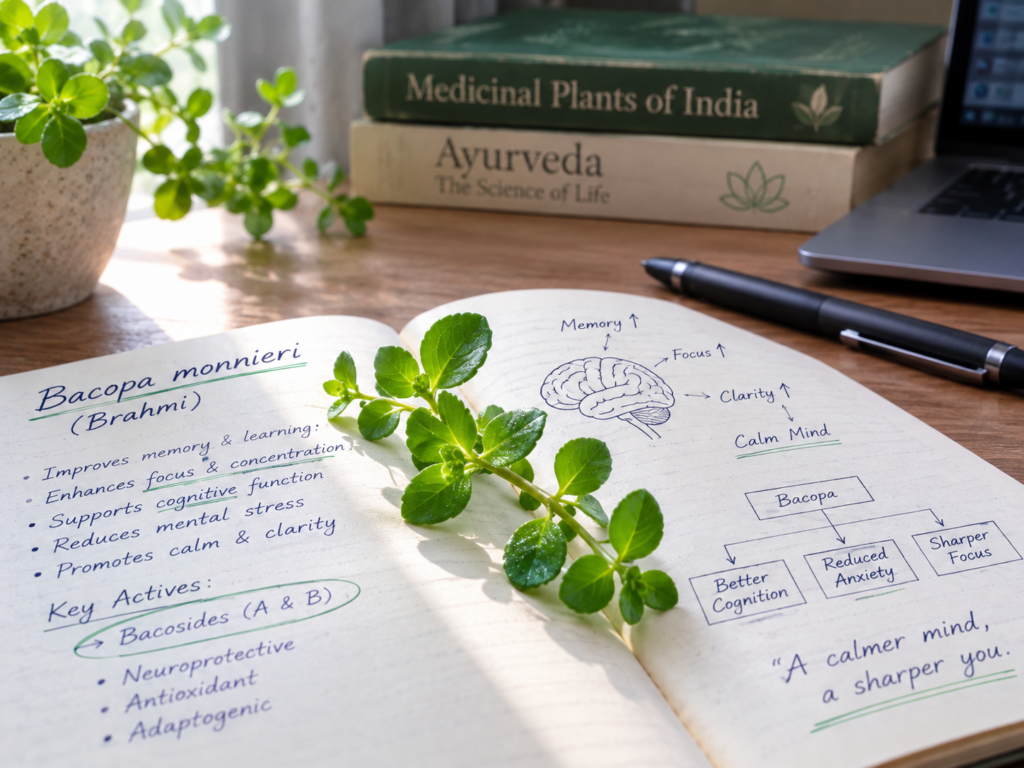
Brahmi (Bacopa monnieri) shows up in Ayurvedic texts as a memory herb, and modern cognitive-testing studies back a narrower but real claim: improved information retention and processing speed after 12 weeks of daily use. That timeline matters — founders expecting a same-day nootropic hit will be disappointed, because brahmi works on a compounding curve, not a spike. Teams that treat it like an index fund rather than a day trade see the payoff.
The practical use case is technical debt in your own cognition: context-switching between fundraising, product, and hiring taxes working memory hard. Among Ayurvedic herbs studied for cognitive load, brahmi has the clearest dose-response data, typically standardized to bacoside content. It’s not a replacement for sleep or focus discipline — it’s a multiplier on top of both, and multipliers on zero still equal zero.
Turmeric (Curcumin): The Inflammation Ledger
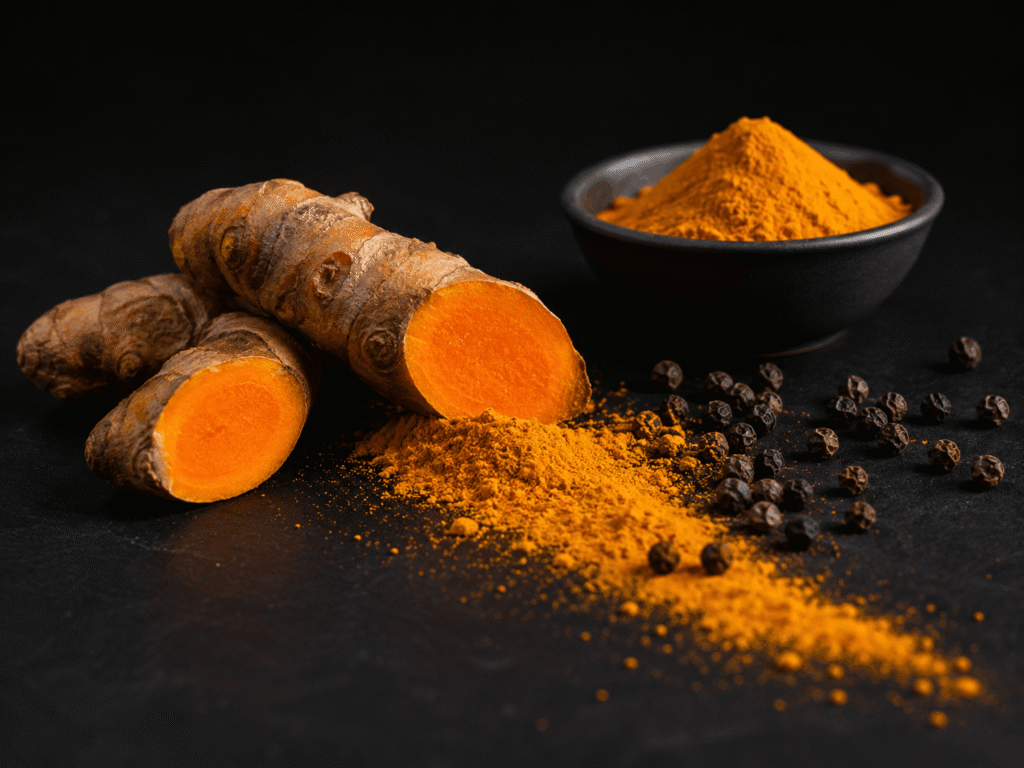
Chronic low-grade inflammation from poor sleep, bad diet, and sustained stress shows up in blood markers long before it shows up as a diagnosis, and curcumin — turmeric’s active compound — has the deepest research base of any Ayurvedic herb, with thousands of published studies on its anti-inflammatory pathways. The catch technical founders should know: curcumin has notoriously poor bioavailability on its own. Formulations paired with piperine (black pepper extract) or lipid-based delivery systems show dramatically better absorption in comparative trials.
This is a case where the herb’s popularity outpaces execution quality — most consumer turmeric products underdeliver because they skip the bioavailability engineering. Treat sourcing the same way you’d treat vendor selection for infrastructure: check the spec sheet, not the marketing page. When it comes to top Ayurvedic herbs and their benefits, curcumin’s benefit is real, but only if the delivery mechanism actually works.
Triphala: The Maintenance Layer
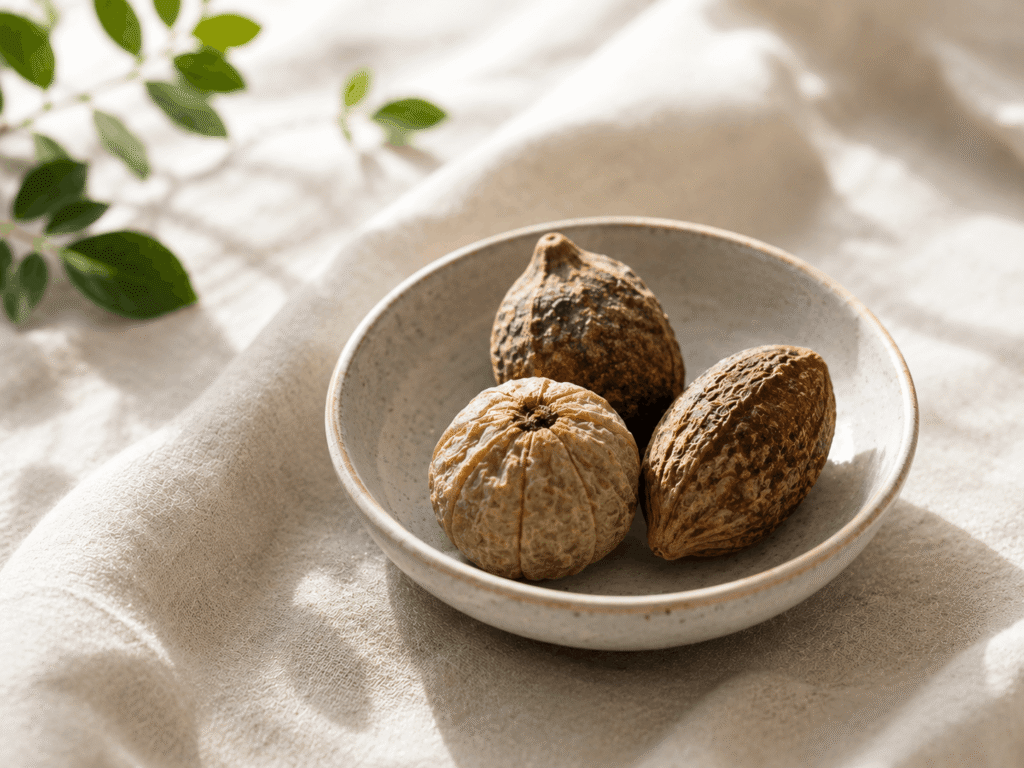
Triphala is a three-fruit blend (amla, bibhitaki, haritaki) used in Ayurveda as a digestive and metabolic baseline Ayurvedic herbs, not a targeted fix. Founders who ignore gut health until it becomes a problem are running the equivalent of production infrastructure with no monitoring — triphala functions closer to that monitoring layer, supporting regular digestion and nutrient absorption over sustained use. Studies on its antioxidant and mild laxative properties are smaller in scale than the ashwagandha or curcumin literature, so the claims here should stay modest: it’s a maintenance tool, not a cure.
Where it earns a spot on this list is consistency of effect with minimal side-effect risk, which makes it a reasonable default for founders who want one Ayurvedic herb in rotation without managing a complex stack. Pair it with actual dietary fiber and hydration — it supports a system, it doesn’t replace one.
Founders don’t need ten herbs; they need the four with real evidence behind them, sourced correctly and dosed on the timelines the research actually supports. Start with one, measure how you feel and perform over eight to twelve weeks, and let the data — not the marketing — decide what stays in the stack.